Bridgett Anderson, LDA, MBA, Executive Director, Minnesota Board of Dentistry
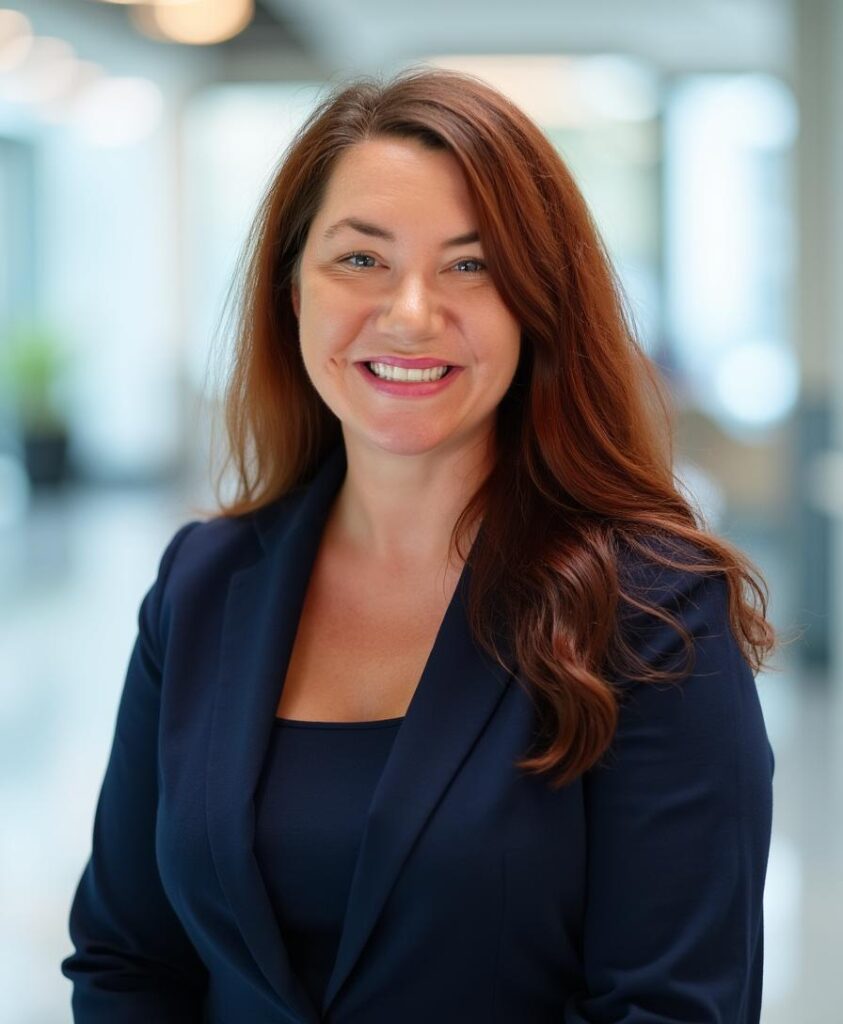
I serve as the Executive Director of the Minnesota Board of Dentistry, which is the state agency responsible for regulation and licensing for over 18,000 dental professionals in the state. I represent the nine-member Board as the chief executive officer. I am also responsible for managing the team to help carry out the internal and external operations of the Board.
Why did you join the TRUST?
I was introduced to the TRUST in 2016 by my friend and mentor, Dr. Sheila Riggs, when she invited me to be a guest at her table at a TRUST annual event. It was a wonderful experience. I stayed connected with TRUST events and joined as a member in 2018. I joined because the group was so supportive and welcoming, from my first event to subsequent events. At that time, I needed a group like this in my life, both professionally and personally. I had just lost my mother suddenly and was feeling a tremendous amount of grief. It was very uplifting to me to meet such a great group of professional women working in health care, who have become highly regarded colleagues and friends. I think that this just emphasizes how important it is to uplift and support each other throughout our careers, which are a big part of our lives.
What has been your favorite part of being a member of the TRUST?
I have enjoyed the online learning options as I do not live in the area where many events are hosted, so it is nice to have some options for learning. I have loved the diverse topic areas and that there are both professional health care related sessions, along with personal growth and development. I am registered for the Well-Being Retreat this year and it will be my first time attending that. I am very excited!
What is the best career advice you’ve received?
Can you share a pivotal moment in your career that influenced your leadership or professional path?
A pivotal moment occurred when I was working for the state dental association, which is a member association, and was approached to apply for my current role. I had not previously worked in the public sector. Although I was confident in my knowledge, education and background in dentistry and health care, it was a big decision to move into this role in state government. There are many differences in how agencies operate versus how private companies operate. I had to be open-minded to learning how I can enhance specific knowledge in public sector, health regulatory landscape, and state agency operations in order to be successful in the role and, ultimately, fulfill our mission of promoting public health and safety in dentistry throughout Minnesota, and by representing the state in national arenas.
What emerging trend in health care are you most excited about and why?
AI Tools for Diagnosis and Treatment Planning. I think AI being used to enhance a clinician’s picture of a diagnosis, associated intervention and treatment needed will provide significant enhancements to clinical decision support. I have already seen this in dental diagnostics, and love to learn about how they can be applied as a support for clinicians. With health care staffing shortages, providers are stretched pretty thin and tools that can assist them are very important and also can help reduce errors in diagnosis by providing feedback to consider.
How do you balance the demands of your professional and personal life?
I balance the demands by doing other things that I enjoy. I love to be outside- beach, forest bathing, winter hiking activities. I enjoy Minnesota because of the seasons and all the natural beauty we have throughout the state. I take a break from work to enjoy the outdoors with friends and family. I also volunteer with a family non-profit that I am passionate about. We just opened a children’s home in Kenya last year and I went over then and will be there again soon.
What unique challenges have you overcome as a woman in the health care industry?
One challenge I’ve faced is imposter syndrome. There have been times when I doubted my own abilities and questioned whether I truly deserved my position or achievements, especially in environments that can be male-dominated or where there’s a high level of competition. To overcome these feelings, I focused on recognizing and celebrating my accomplishments, however small they might have seemed at the time. I also sought out mentors, particularly women who had navigated similar challenges, which helped me to normalize these feelings and learn strategies to deal with them. Over time, I’ve also become more mindful of the internal dialogue I have with myself and actively work to shift it toward confidence.
What strategies do you use to build effective teams and promote collaboration?
Building effective teams and promoting collaboration is essential, especially in health care, where a multi-disciplinary approach is necessary for optimal patient outcomes. In my years in clinic, I was very focused on this with both clinical and administrative teams by promoting the use of electronic health records, focusing on accuracy and communication, following up, and making sure patient needs were addressed. In my current role, one strategy I use is fostering an environment that allows team members to feel heard and valued by encouraging diverse perspectives. I do the same with my Board members, encouraging diversity of thought. I truly believe each person brings a unique skill set, and it’s crucial to create a space where everyone feels comfortable sharing ideas and asking questions without fear of judgment. One of my top strengths in Strengthsfinder is Individualization and I feel that this is a good example of utilizing this strength. I also have every member of the team take a Strengthsfinder assessment so we are able to get to know one another on a more fundamental level, which I feel leads to more understanding and respect. We do Strengths Sessions, in which we pick one or more team members strengths to highlight and learn more. I feel this has been a great way to promote team collaboration.