Andrea Anschel, MSW, Senior Program Officer II/Team Lead, John Hopkins University, Center for Communication Programs
What’s your current role?
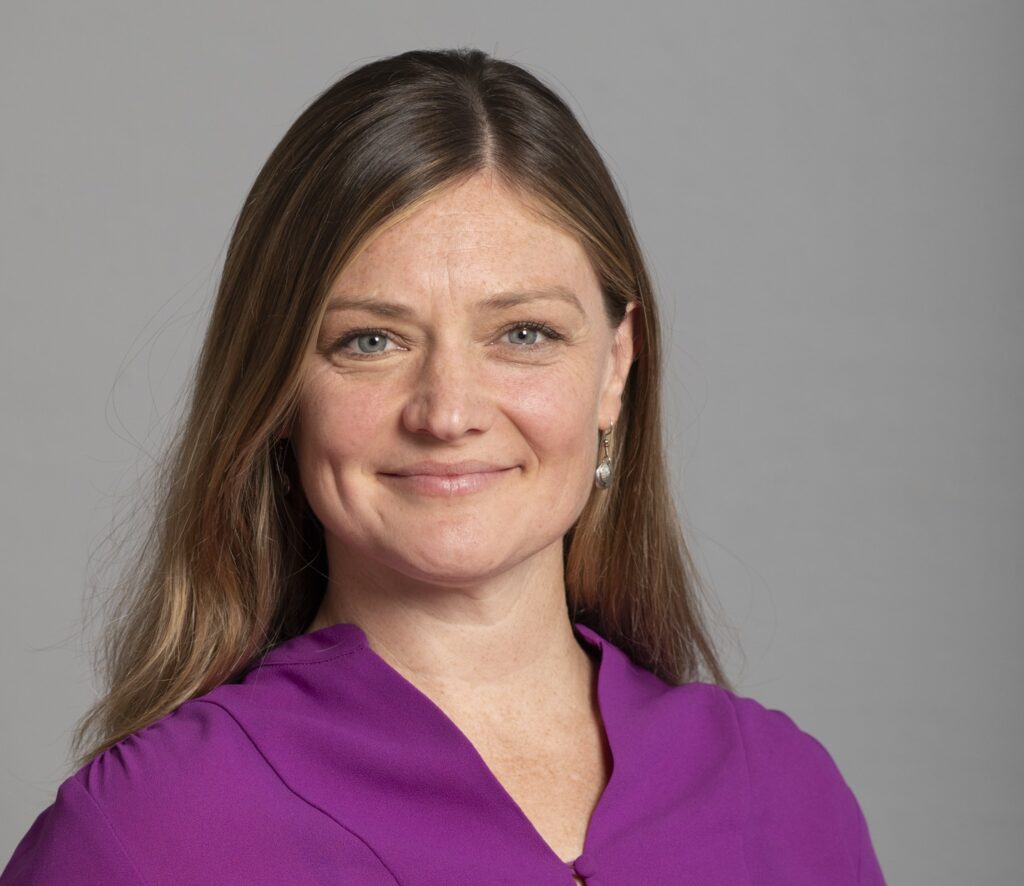
Since 2010, I have been part of the Johns Hopkins Center for Communication Programs (CCP), a global organization that works at the intersection of strategic behavior change communication, research and community engagement to improve health outcomes around the world.
At CCP, the core idea is simple but powerful: information and dialogue can save lives. The organization partners with governments, health systems and communities across Africa, Asia and beyond to design programs that help people access and use life-saving health services from family planning and maternal health to malaria prevention, nutrition and emerging infectious diseases. Through applied research, large-scale interventions and leadership training, CCP helps translate evidence into programs that shift behaviors and strengthen public health systems.
Over the past sixteen years, I have had the opportunity to work alongside colleagues and partners across many countries, supporting initiatives that combine research, strategic communication and community leadership to address complex health challenges. What I values most about the work is seeing how local insight and global collaboration come together to create practical solutions that improve the health and well-being of individuals, families and communities.
When and why did you join the TRUST?
I became a TRUST member in February 2025 and am an Associate Board Member on the IDEA (inclusion, diversity, equity and access) sub-committee. I moved to Minnesota in 2018 and while I work in health care, I work remotely, with my organization based out of Baltimore, MD and most of my co-workers based globally, so I didn’t have a local network. The TRUST has opened up my network and connected me to a community of women and organizations doing amazing things in the leadership and health space, locally.
What has been your favorite part of being a member of the TRUST?
My favorite part of being a member of the TRUST has been the community that I have met through attending different events. Not only are the events, i.e., Forum, Wellness retreat, Storytelling series, Boat cruise, but the conversations and connections with women through these events have been my favorite part of being a member of the TRUST.
What is the best career advice you’ve received? Or the best mentoring experience you’ve had?
“It’s not what you look at that matters, it’s what you see.”, and “Behavior is way out in front of our success.”
Can you share a pivotal moment in your career that significantly influenced your leadership style or professional path?
One pivotal moment in my career came early on when my supervisor went on maternity leave and asked me to step into her role temporarily. It was intimidating, but the experience helped me discover leadership abilities I hadn’t yet recognized in myself. It shaped how I lead today — I believe in giving people the space and trust to step up and grow, while also recognizing that strong leaders sometimes step aside to make room for others.
What strategies do you use to build effective teams and promote collaboration?
A strategy I use to build effective teams by fostering collaboration, shared vision and open communication across diverse partners and disciplines. In my work with the CCP, I bring together multidisciplinary teams and local partners to develop aligned work plans and shared goals that guide complex global health initiatives. I also invest in leadership development and mentoring to help emerging leaders strengthen their facilitation, communication and collaboration skills. By centering local expertise and encouraging open dialogue and learning, I support team environments where people feel excited to contribute ideas, solve problems together and advance collective impact.
How do you advocate for inclusion, diversity, equity and access (IDEA) within your organization or in the broader health care community?
I advocate for inclusion, diversity, equity and access by ensuring that the voices and lived experiences of communities are central to the design and implementation of health programs. In my work with the Johns Hopkins Center for Communication Programs, I collaborate with multidisciplinary teams and local partners across multiple countries to co-create health initiatives that reflect cultural context, community priorities and equitable access to information and services. This includes supporting leadership development programs that equip professionals from diverse backgrounds to lead social and behavior change efforts in their own communities, while also fostering inclusive dialogue and partnership within global health programs. I believe that sustainable health solutions emerge when communities are not just recipients of programs but active partners in shaping them.
What is something that not many people know about you?
I grew up in Montana and spent my college years guiding outdoor adventure trips including whitewater rafting trips for other college students in California. After graduation, I joined the Peace Corps and served as a health volunteer in Madagascar, where I first discovered my passion for community health and women’s health in particular. That experience continues to shape both my career and how I think about partnership and community-led change.